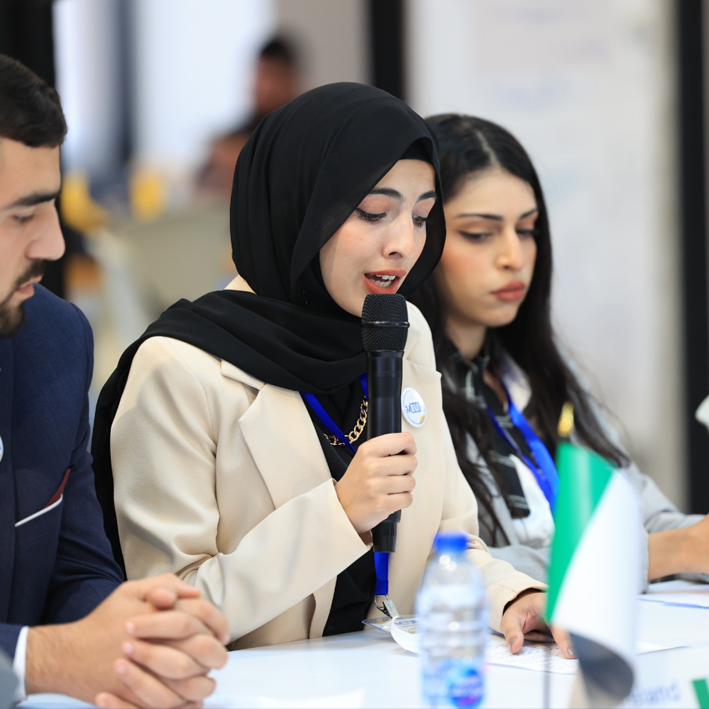
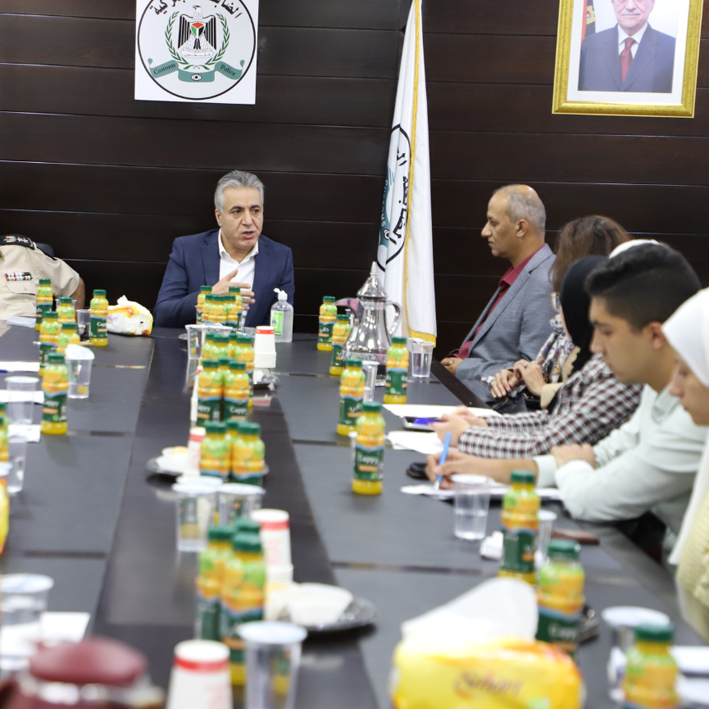
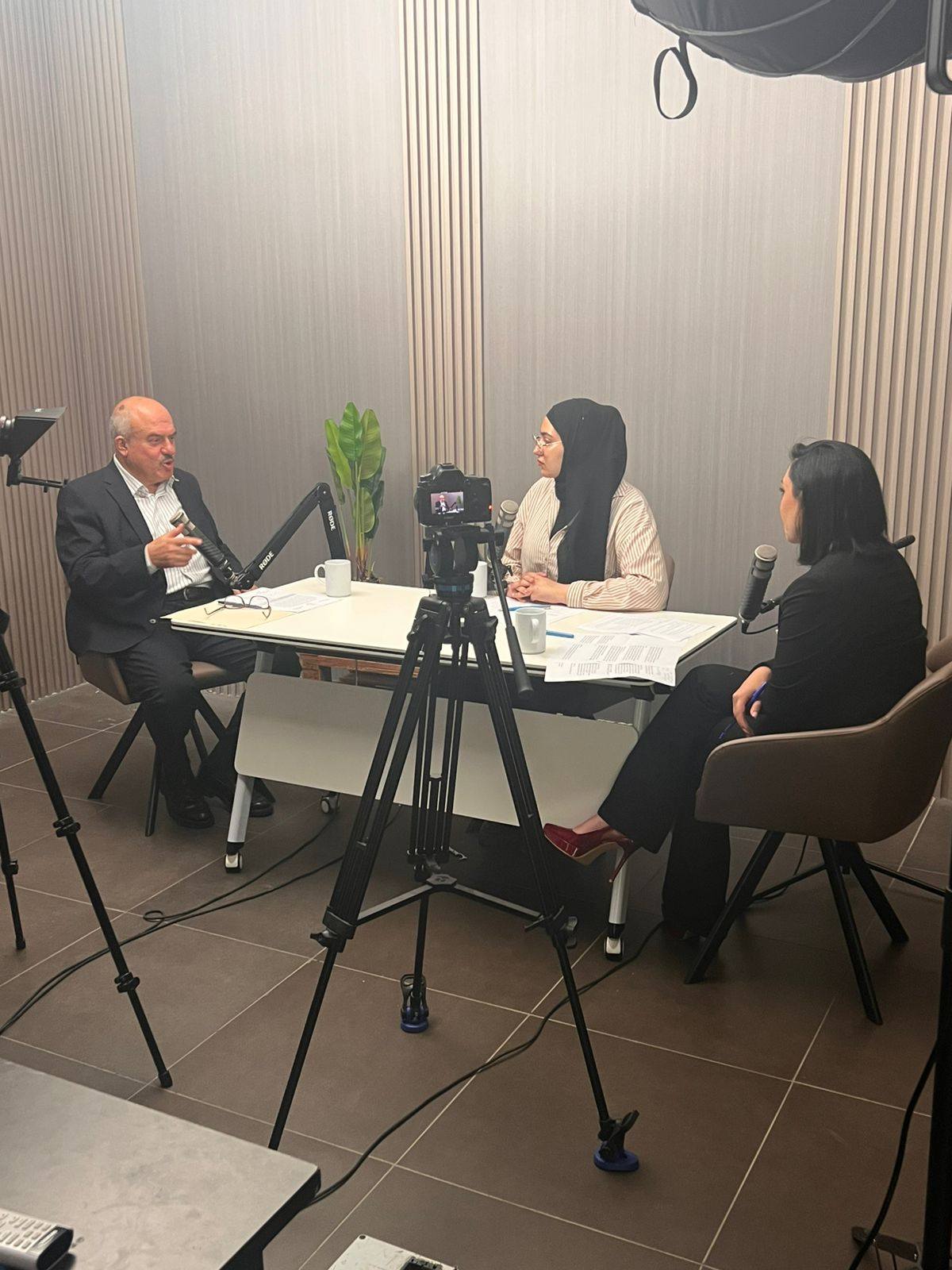
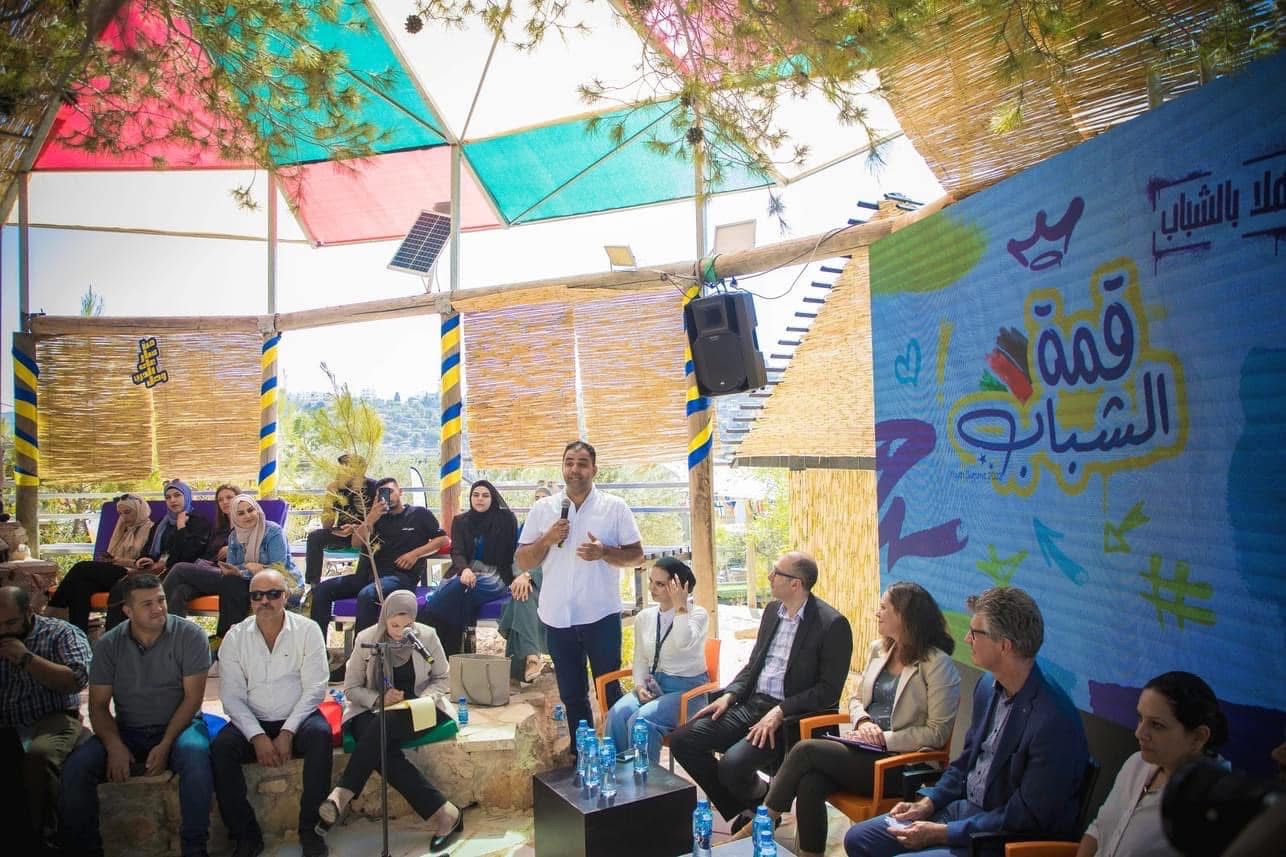
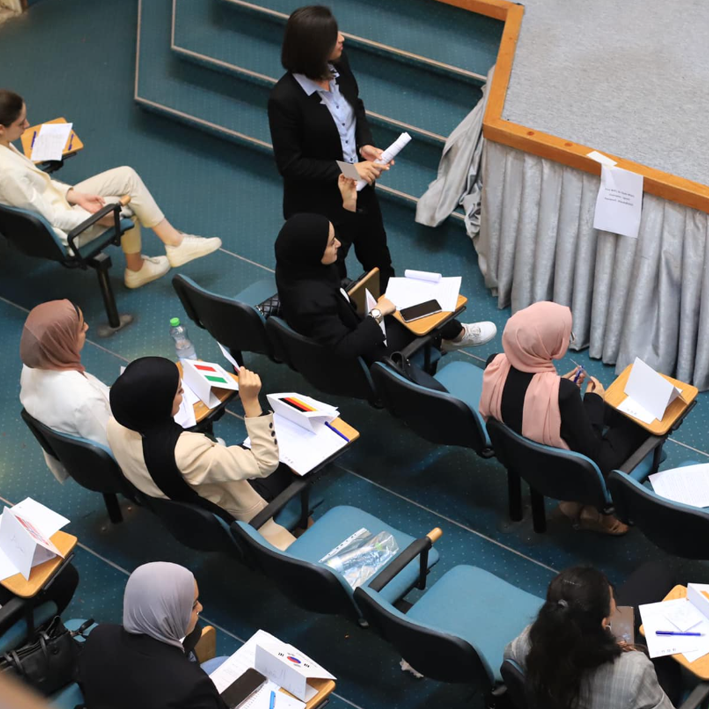
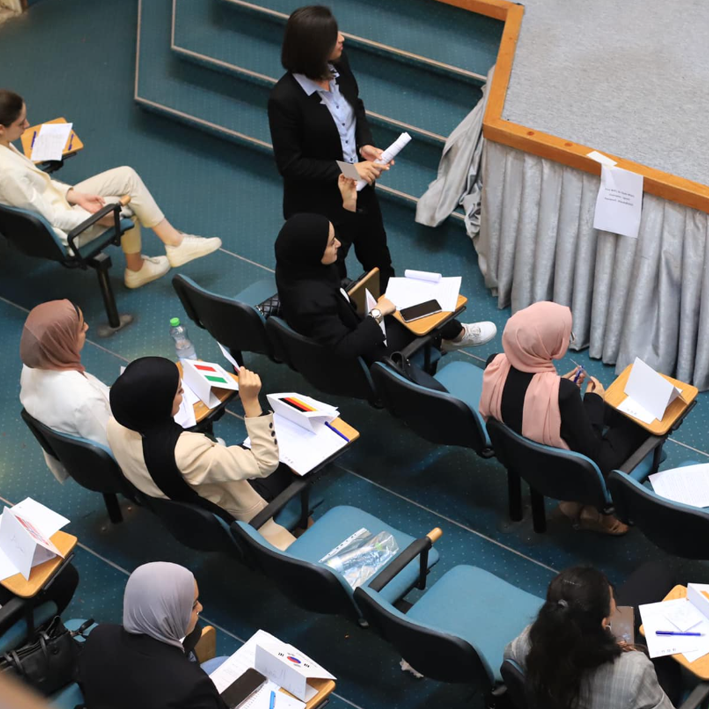
At Sharek Youth Forum, we ensure that young people’s priorities and needs remain at the heart of public attention and decision-making. Through advocacy, networking, and youth-led campaigns, we influence policies that affect youth while empowering young people to engage constructively and hold public institutions accountable.
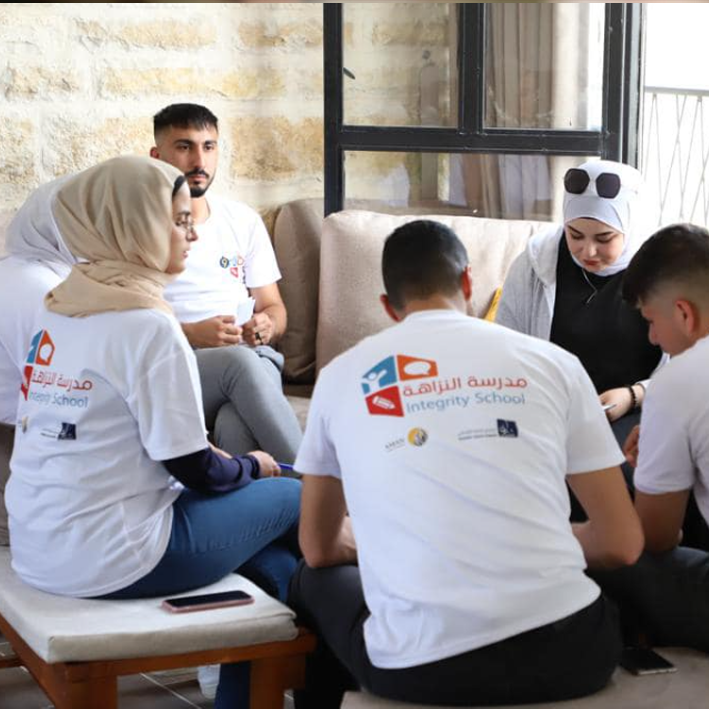
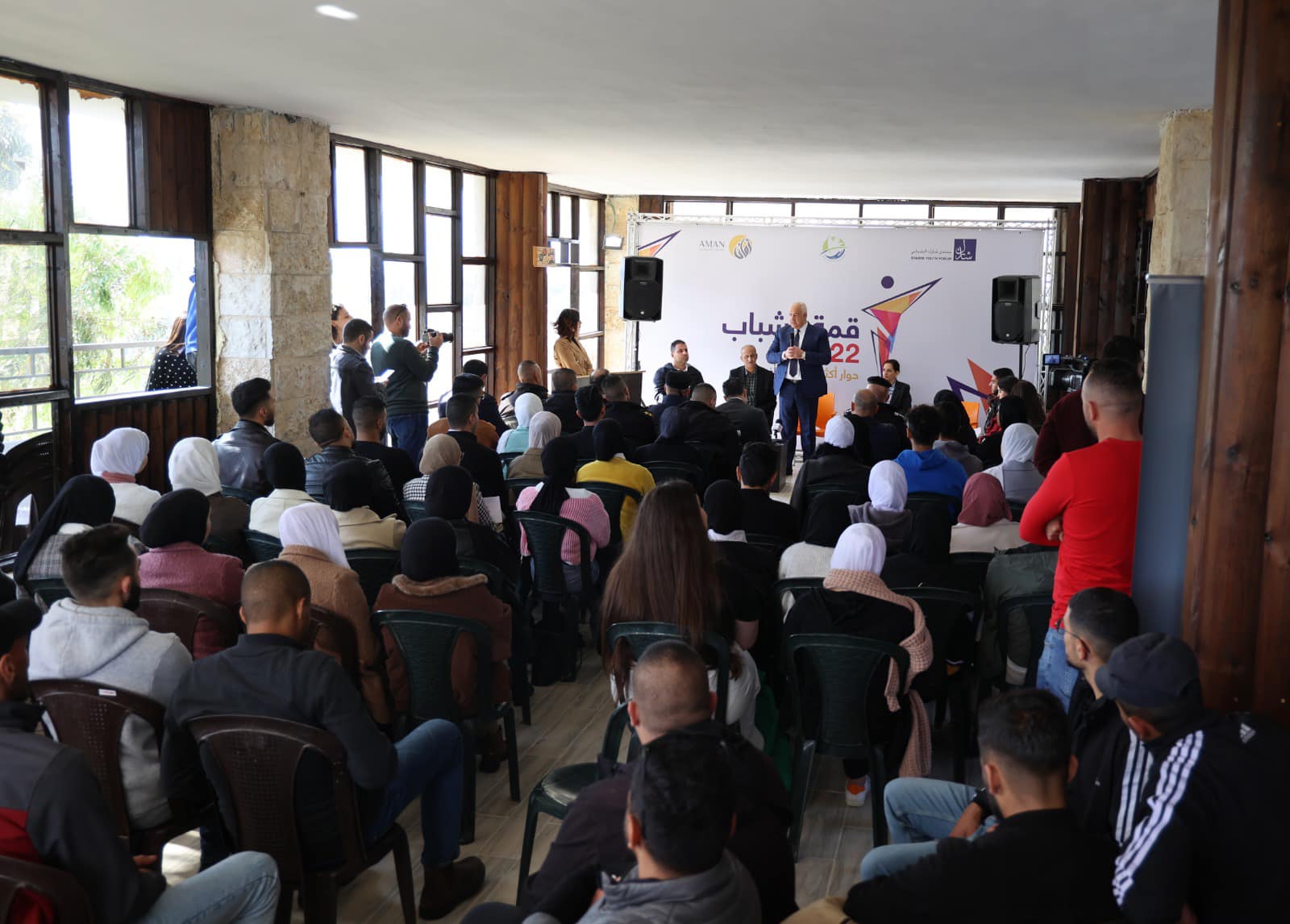
Over the years, Sharek’s volunteers have led hundreds of national and community campaigns addressing diverse youth issues. Our approach combines direct engagement with young people, traditional media, and innovative use of digital platforms and social media to expand reach and strengthen impact. Among our flagship initiatives are the Integrity School and National Accountability Day, which provide practical tools for documenting issues, engaging decision-makers, and promoting transparency—both reaching their seventh cycle in 2022.
Responding to Challenges and Reaching the Marginalized
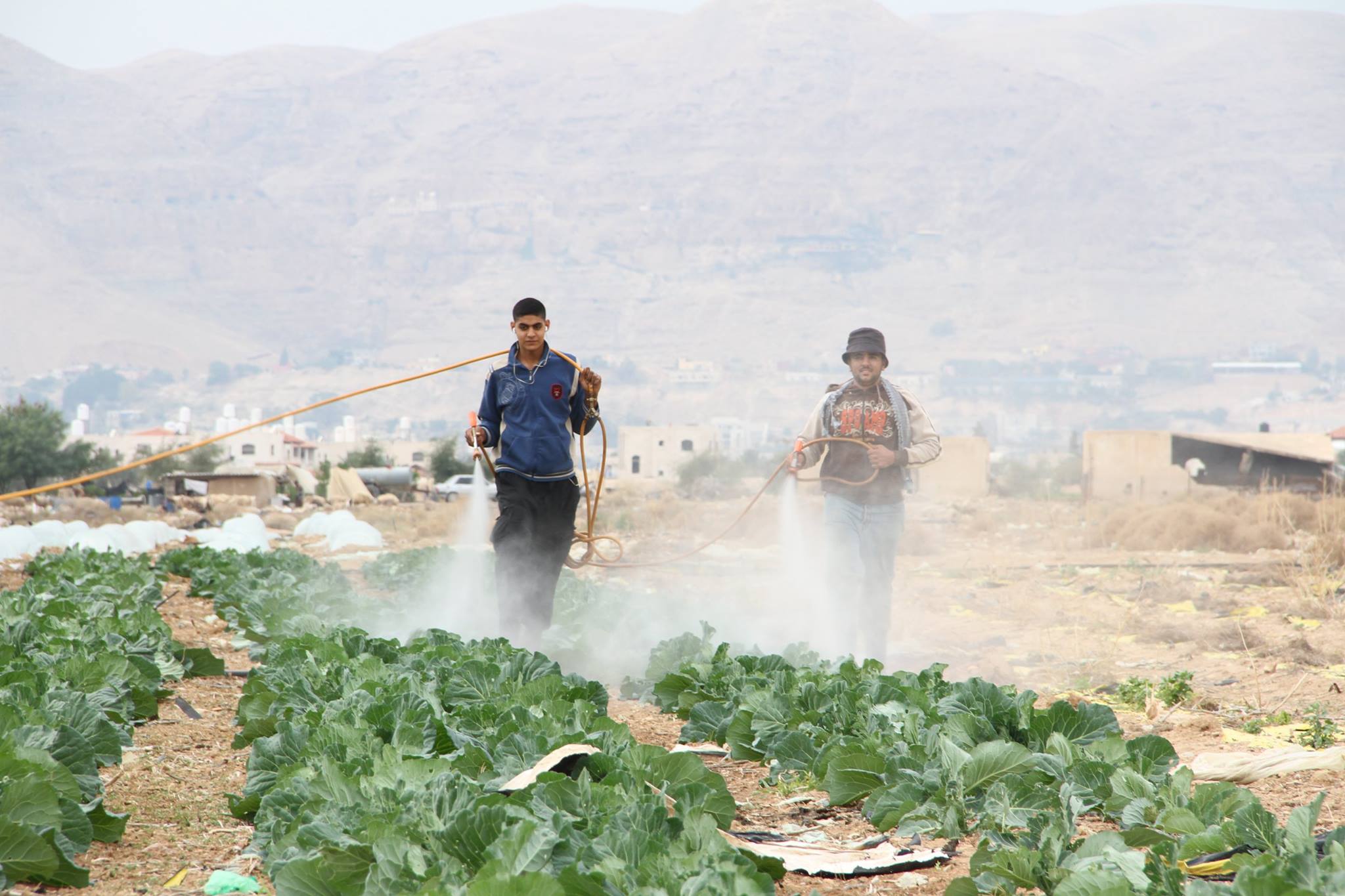
Working in Palestine means navigating complex realities—from occupation and geographic fragmentation to repeated crises and the marginalization of entire communities. To respond effectively, Sharek designs its advocacy and mobilization work around two complementary approaches:
- Continuity in stable contexts to sustain long-term programmes and civic engagement
- Crisis response and emergency support for the most vulnerable groups, especially youth in remote or marginalized areas
In emergencies, Sharek’s youth networks mobilize to support affected communities through practical initiatives that respond directly to urgent needs.
Research and Evidence-Based Action
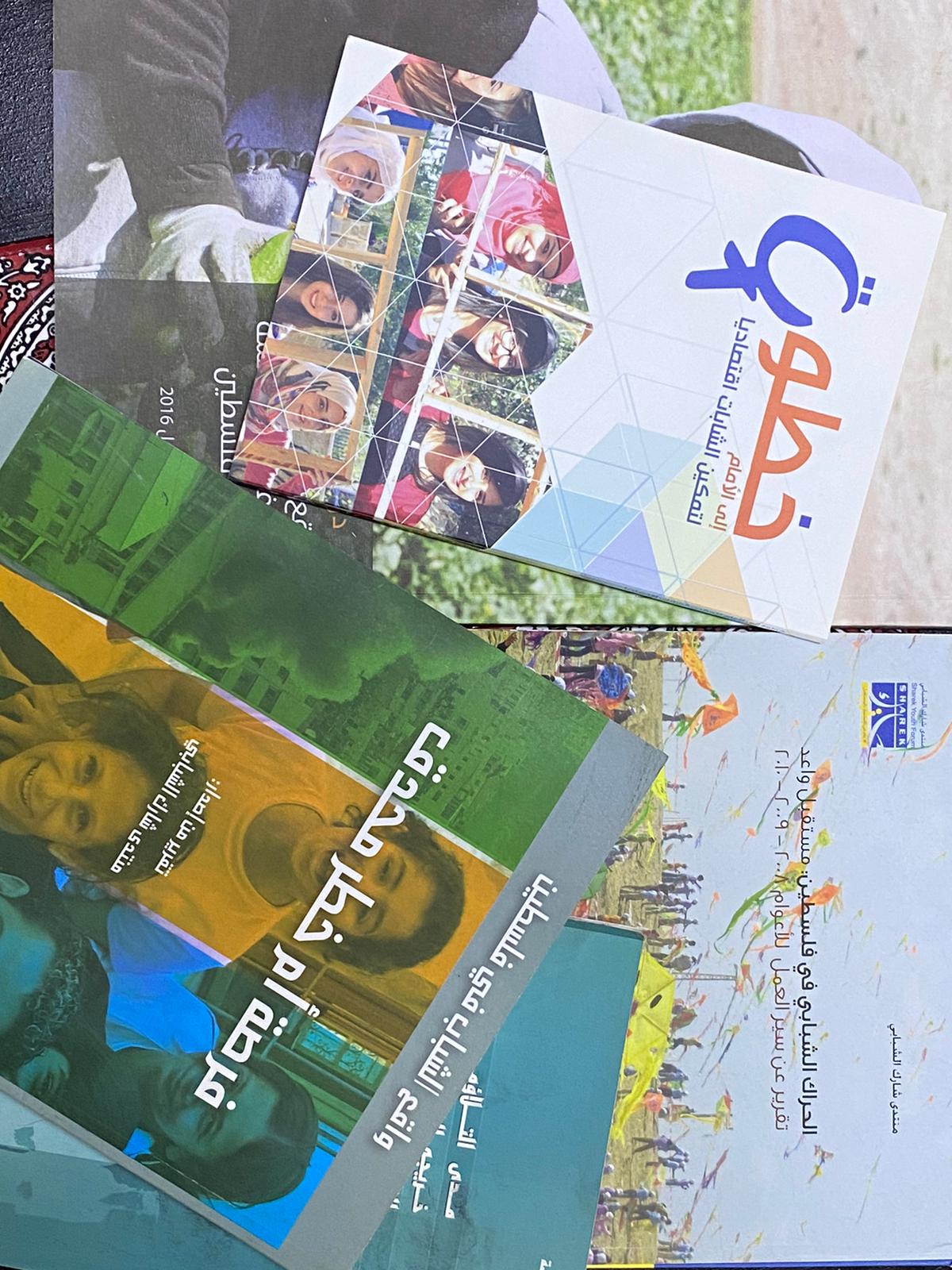
Sharek’s advocacy is strengthened by evidence. Through its Research Unit, Sharek produces studies, position papers, and digital surveys that amplify youth perspectives on public issues and expand civic participation.
Our research focuses on:
- supplying Sharek programmes with reliable, evidence-informed data
- strengthening coordination across projects for a more integrated and effective youth response
- using quantitative and qualitative methods, with a strong emphasis on participatory research
Special attention is given to the most vulnerable youth—those facing poverty, discrimination, exclusion, or gender-based violence—to ensure our interventions remain inclusive, grounded, and impactful.