Economic empowerment is essential for sustainable growth—and in Palestine, it is a pressing necessity. According to the Palestinian Central Bureau of Statistics (PCBS), unemployment in the West Bank rose to about 31% in 2024, while in the Gaza Strip unemployment reached around 69% (Q4 2024), with youth unemployment (15–29) reaching up to 80%—highlighting the scale of barriers facing young people as they transition from education to work.
In response to this complex reality, Sharek Youth Forum advances economic empowerment as a strategic pathway to resilience and dignity—by bridging the gap between young talent and real market opportunities. Our programs are designed to equip youth with practical, job-relevant competencies and to expand pathways for employment, entrepreneurship, and meaningful participation in local economic life.
What Sharek Delivers
Through integrated economic empowerment interventions, Sharek supports young people to:
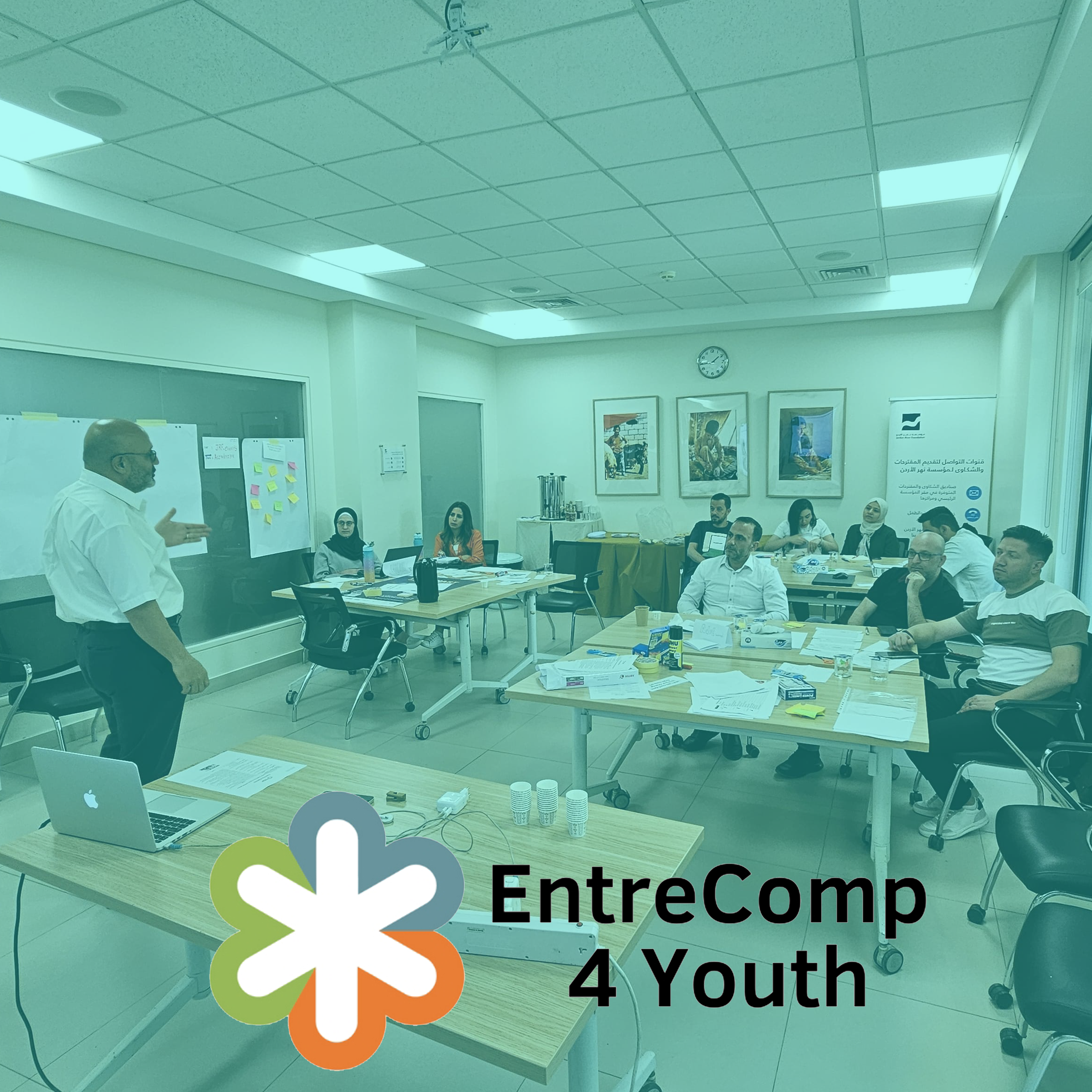
- Build employability and workplace readiness through targeted training, soft skills, and career guidance
- Access vocational learning and practical pathways aligned with market needs
- Benefit from mentorship and coaching, including peer and professional support
- Gain hands-on experience through internships, work-based learning, and exposure opportunities
- Explore entrepreneurship and self-employment, including ideation, business skills, and early-stage support
Partnership-Driven Implementation
Sharek implements economic empowerment programs in close partnership with the private sector and in coordination with the Ministry of Labor, ensuring that training is responsive to real demand, linked to opportunities, and informed by national priorities. These partnerships strengthen referral pathways, improve the relevance of training content, and help youth connect to employers, mentors, and local economic actors.
Why It Matters
By investing in young people’s skills, confidence, and access to opportunities, Sharek contributes to a more inclusive and competitive economy—supporting youth not only to find work, but to create value, lead initiatives, and shape stronger communities despite persistent constraints.